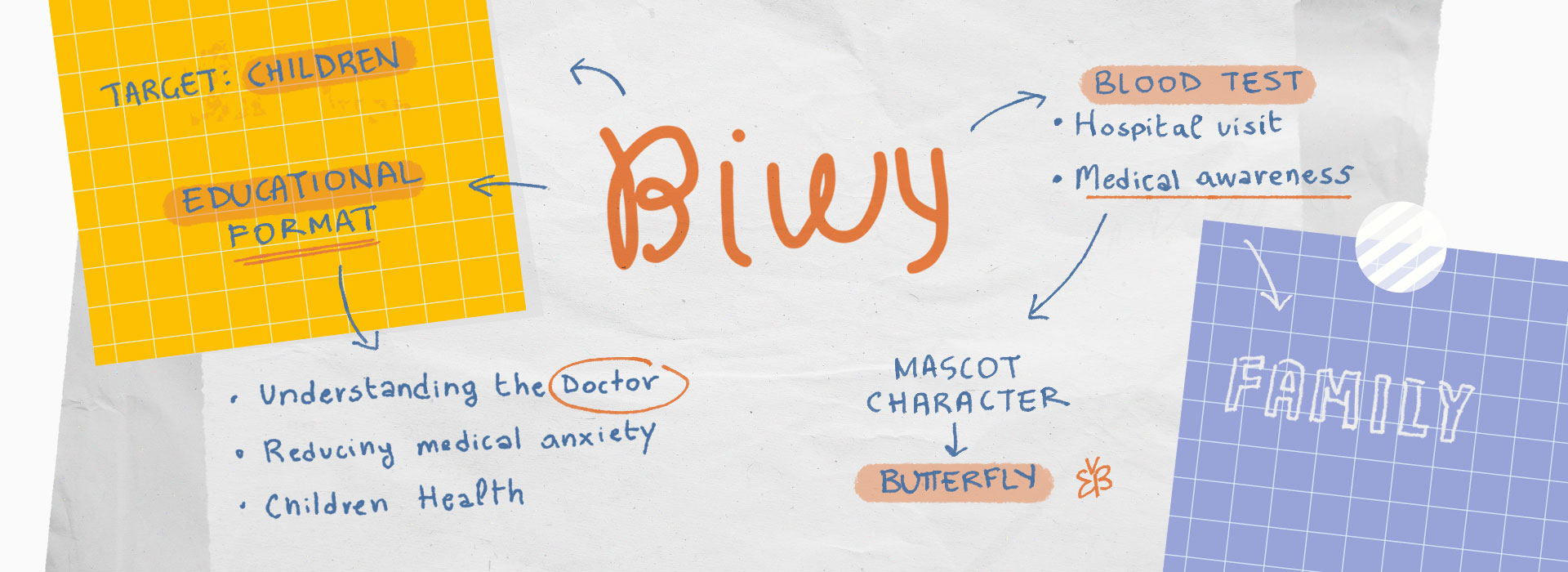
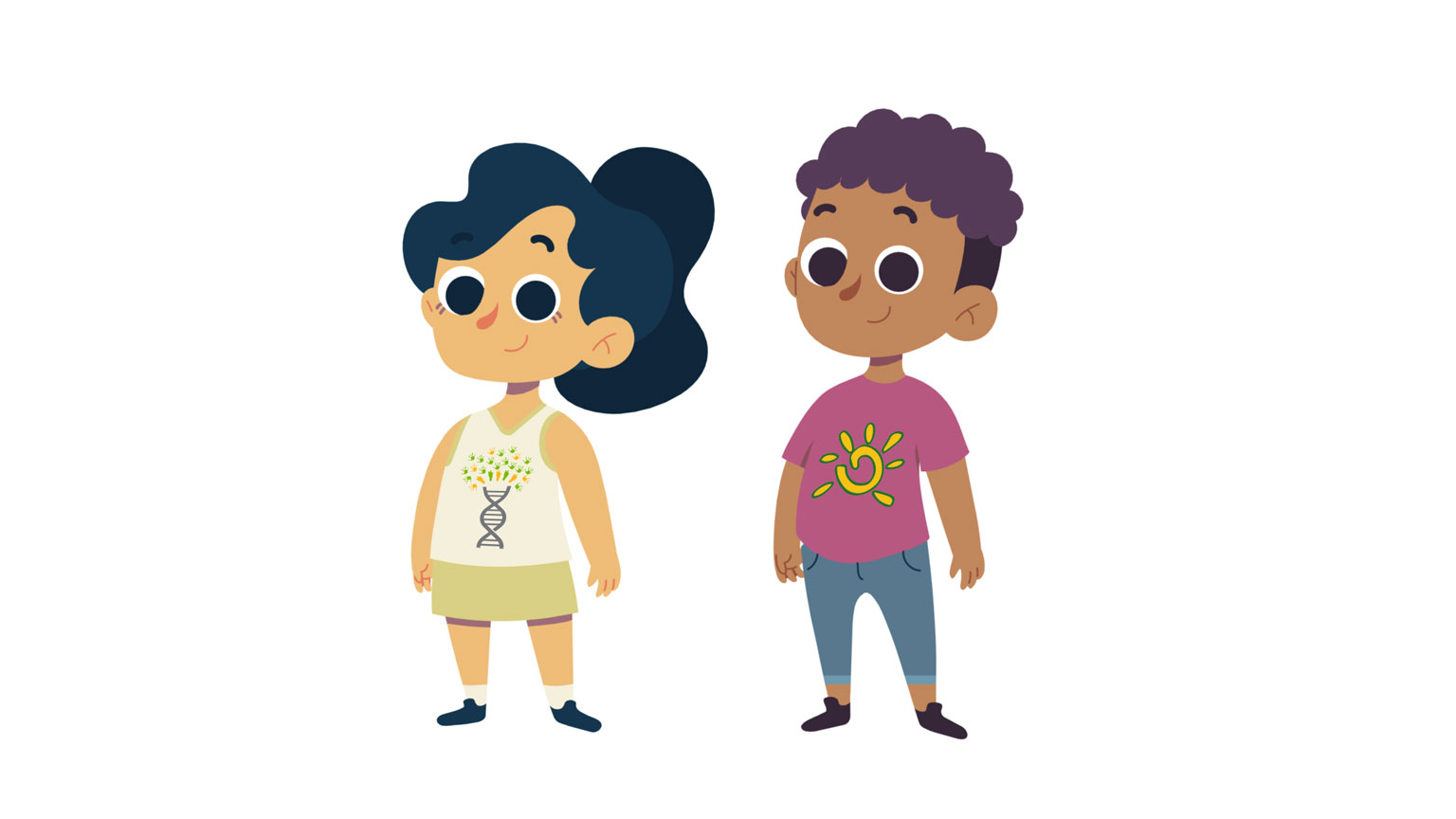
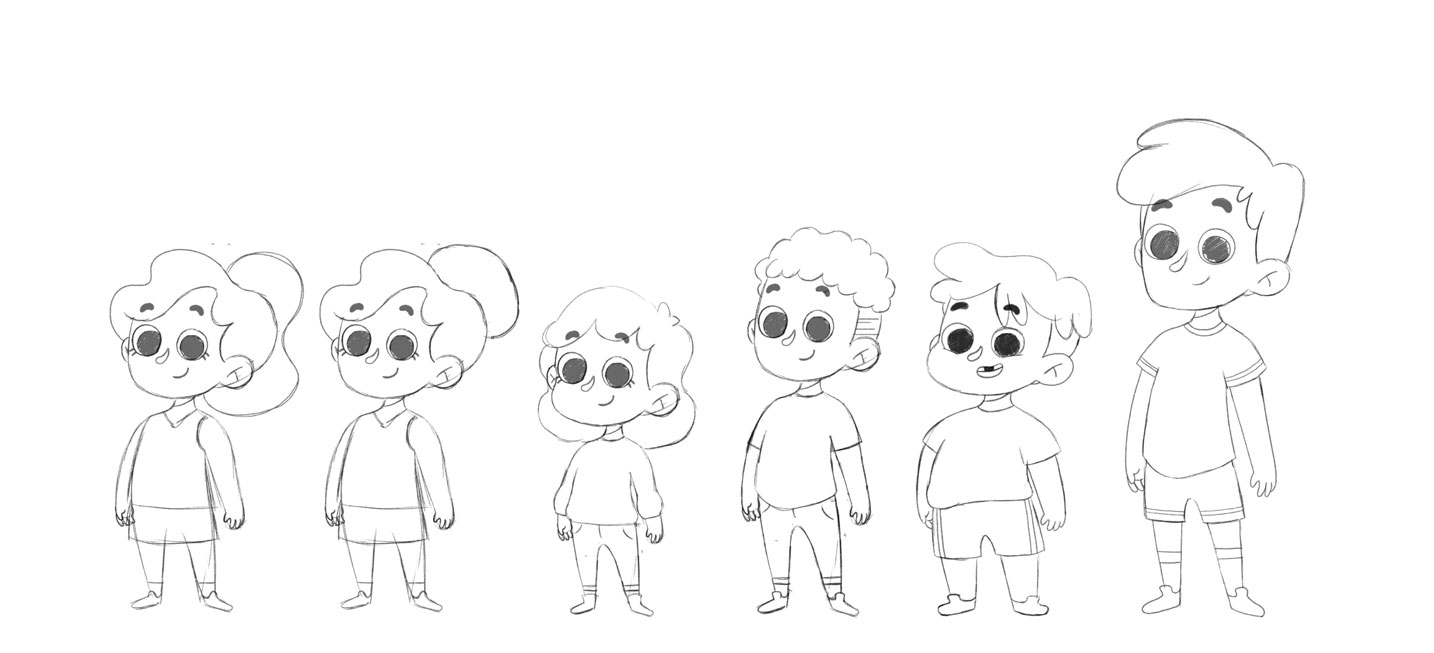
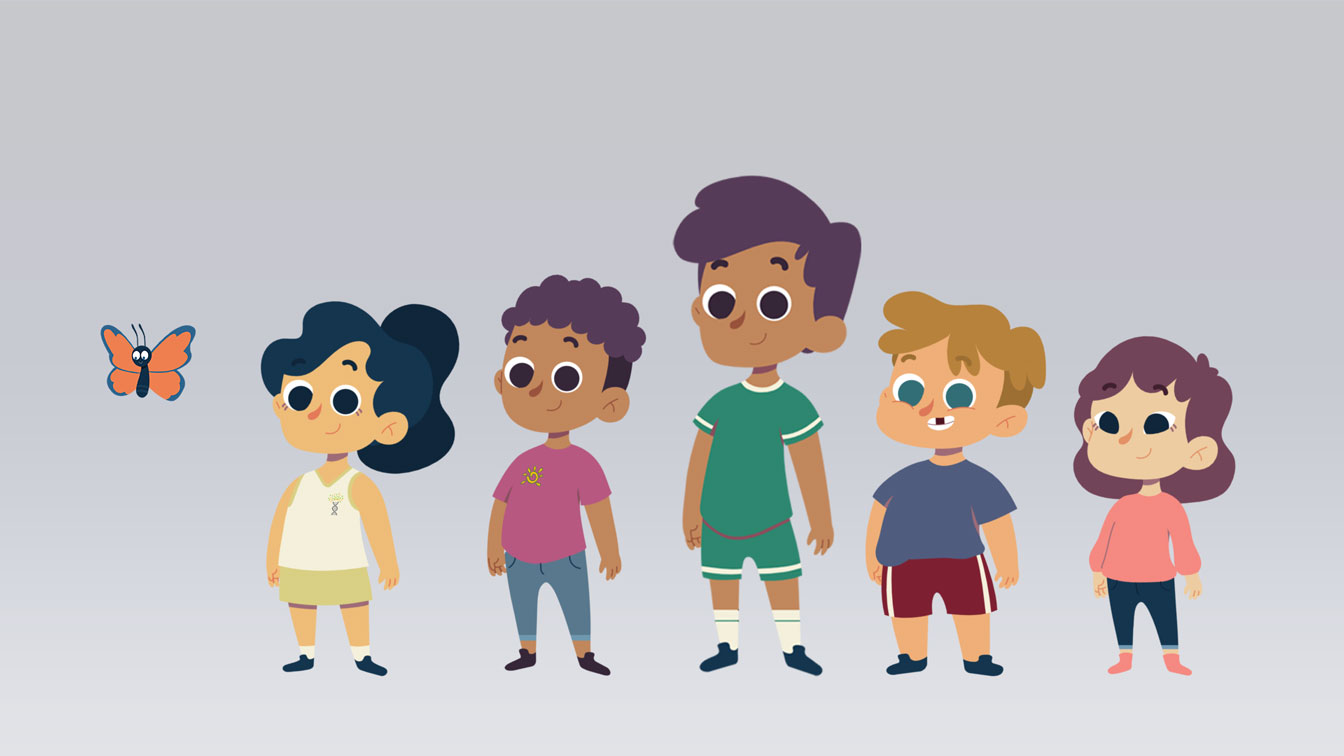
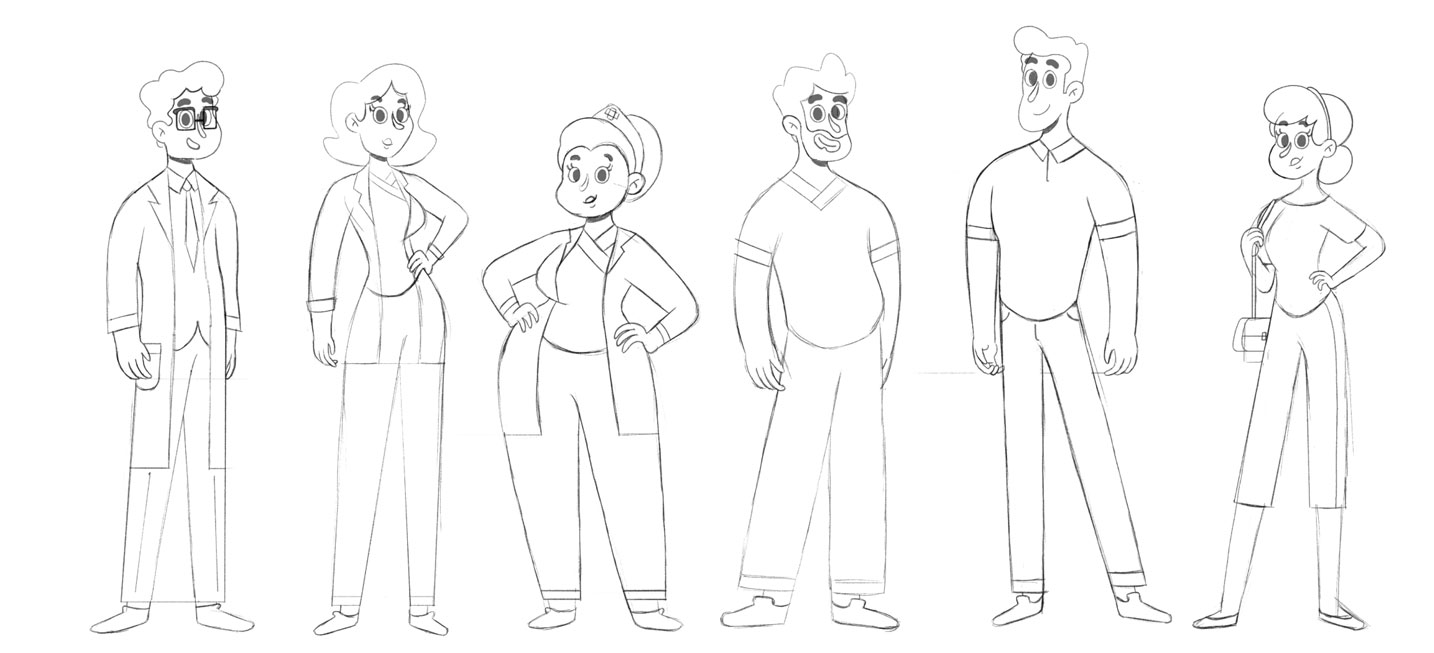
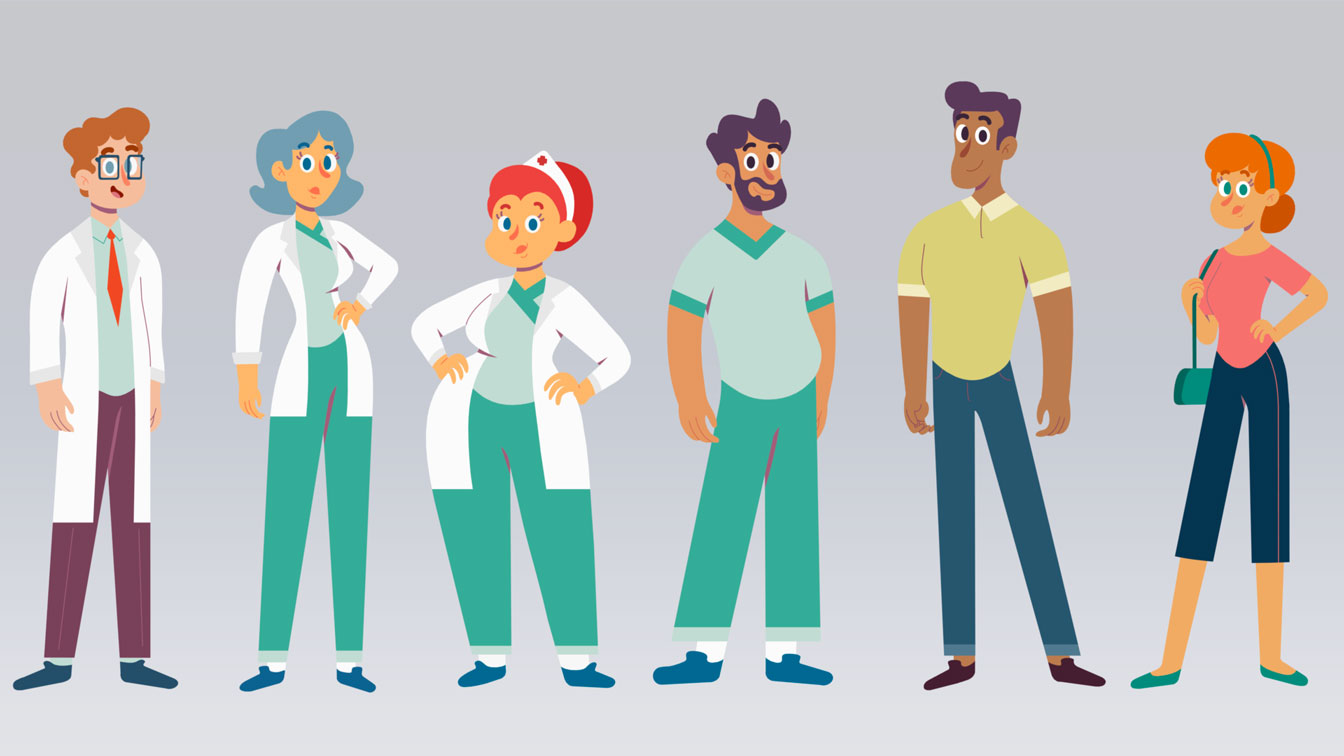
Biwy, an animated format that, through the stories of its characters, explains the world of doctors and medical concepts to children.
Client:
AIBWS e Associazione Italiana Macrodattilia e PROS
Executive Creative Director:
Riccardo Galimberti
Executive Producer:
Pietro Polentes
Script:
Riccardo Galimberti
Art Director:
Rachele Santini
Visual Supervisor:
Rachele Santini
Storyboard:
Chiara Loiacono, Carmine Longobucco
Design:
Rachele Santini
Animations:
Chiara Loiacono, Fabrizio Paludetto, Walter Dessì, Sara Brienza, Dario Livietti, Marta Sofia Marzullo, Alessandro Rizzato, Carmine Longobucco
Compositing:
Fabrizio Paludetto, Matilde Tiraboschi
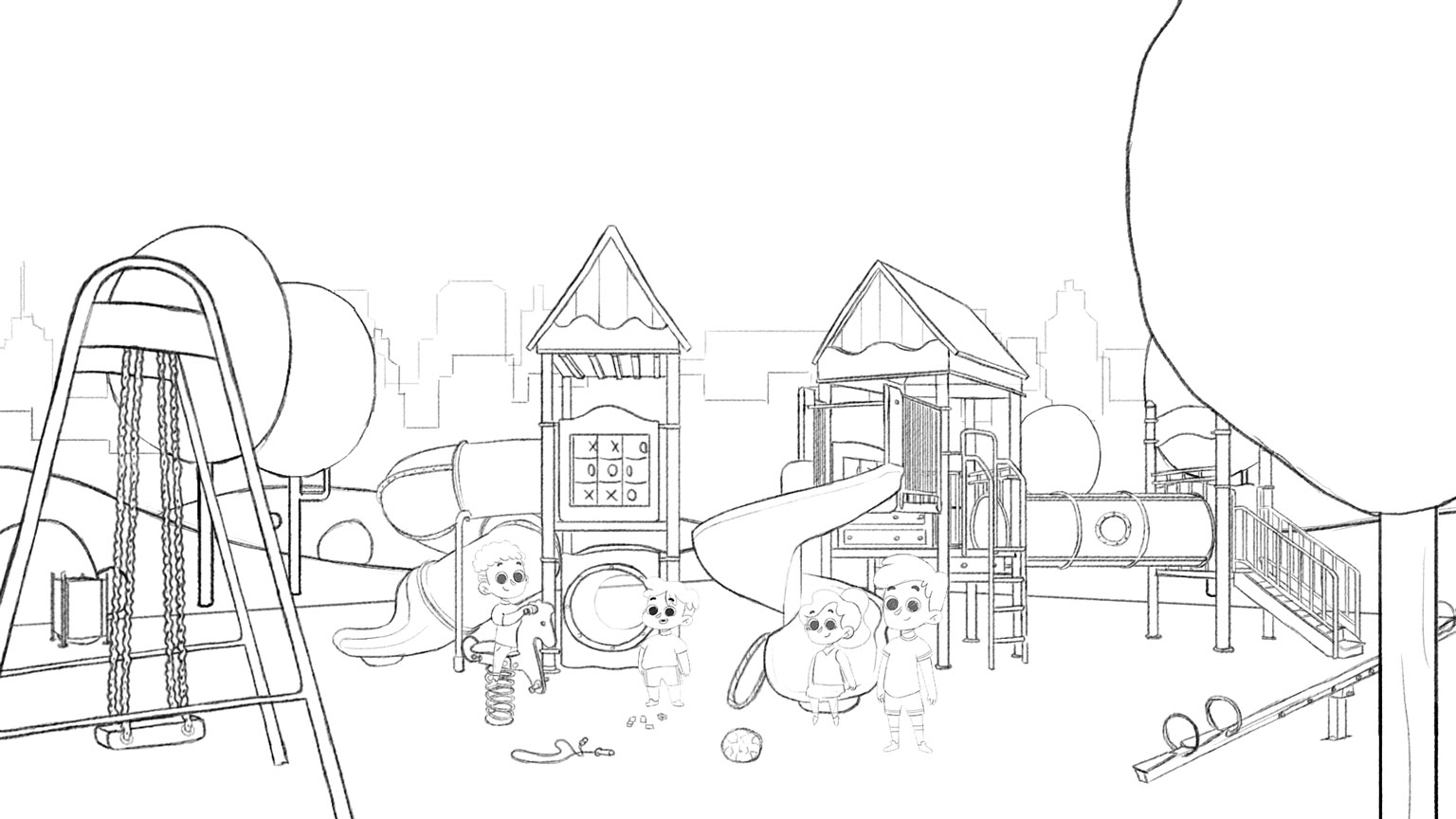
Background:
Pietro Polentes, Chiara Loiacono, Matilde Tiraboschi
The ABWS association and the Associazione Italiana Macrodattilia e PROS APS wanted to create a series of animated films to help the children in their communities understand how certain medical procedures work, as well as some of the more delicate moments involved in examinations and medical visits.


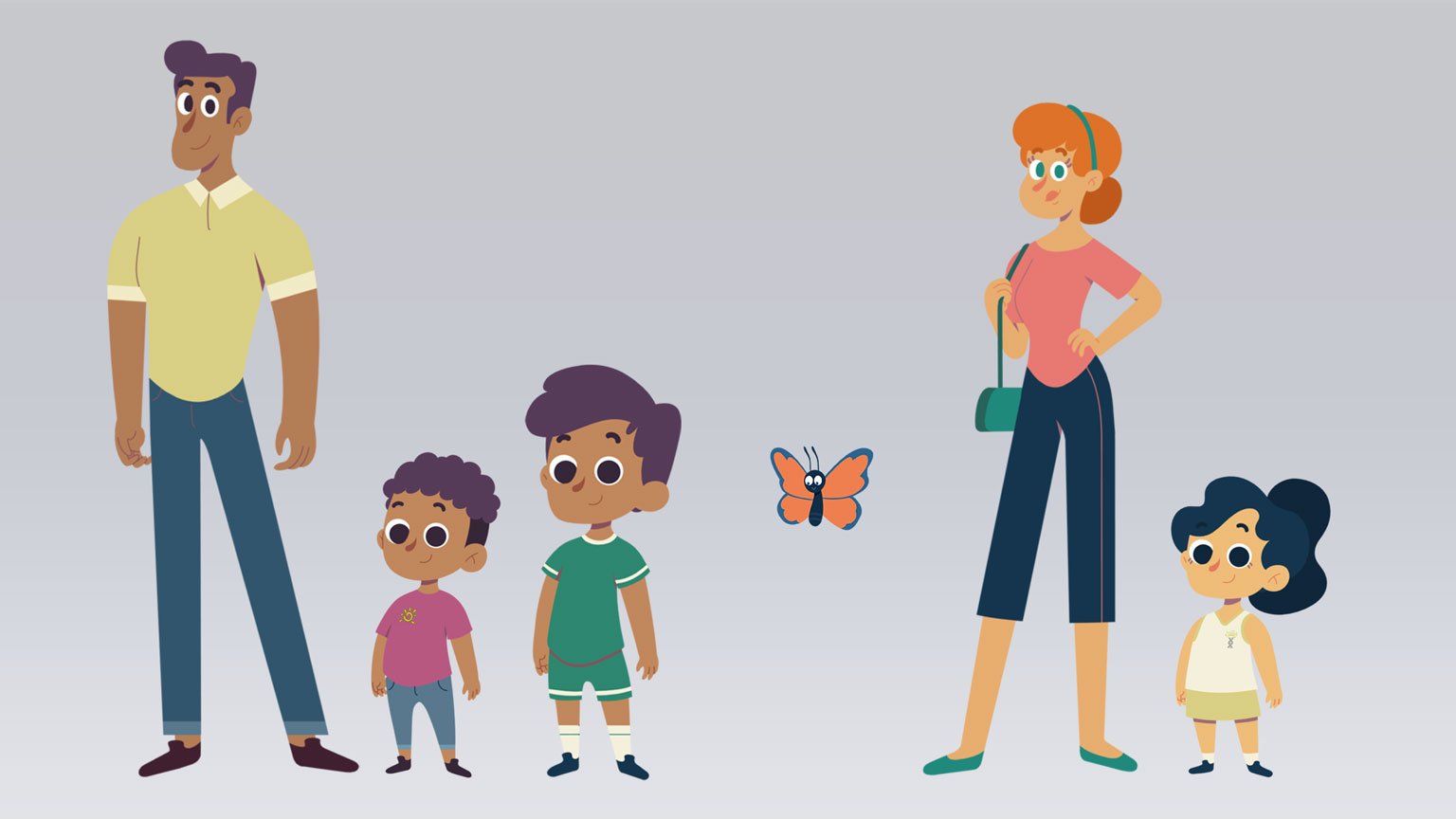
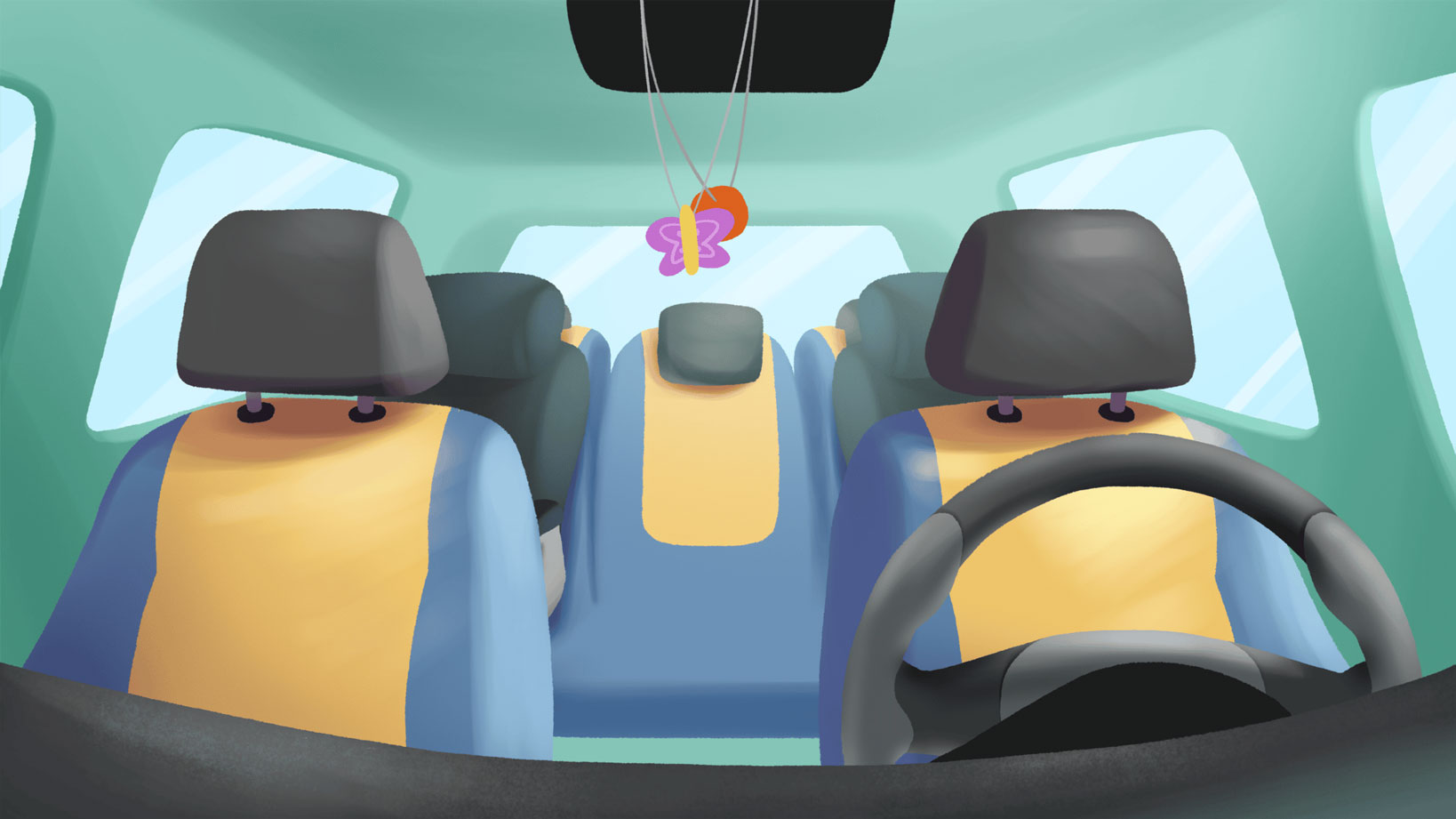
To help children understand the “medical stuff” they encounter, we created Biwy, a magical monarch butterfly who can transport our young heroes into imaginary worlds, where they discover, one episode at a time, what happens during a blood test, what an ultrasound is, or how different medical procedures work.
The films needed to be clear and immediate, so the narrative structure had to remain simple and direct.
Each episode begins with a real-life situation that children may encounter during their medical journey: a blood test, a check-up, an X-ray.
In the middle of these situations, which can often feel confusing or even frightening for young patients, Biwy enters the scene to explain what is happening, turning the medical procedure into something clearer, more familiar and easier to understand.
The project found many different applications.
One of the most effective was in hospitals and medical centres, where the films were shown on tablets and monitors in waiting rooms. While waiting for their appointment or medical examination, children could watch the episodes, learn what to expect and discuss what they were seeing with their parents.
The films were also screened at various festivals and conventions dedicated to healthcare and children’s communication, as well as being distributed online to help the project reach as many children as possible.
The format was awarded first prize at the EIFA — European Independent Film Awards.