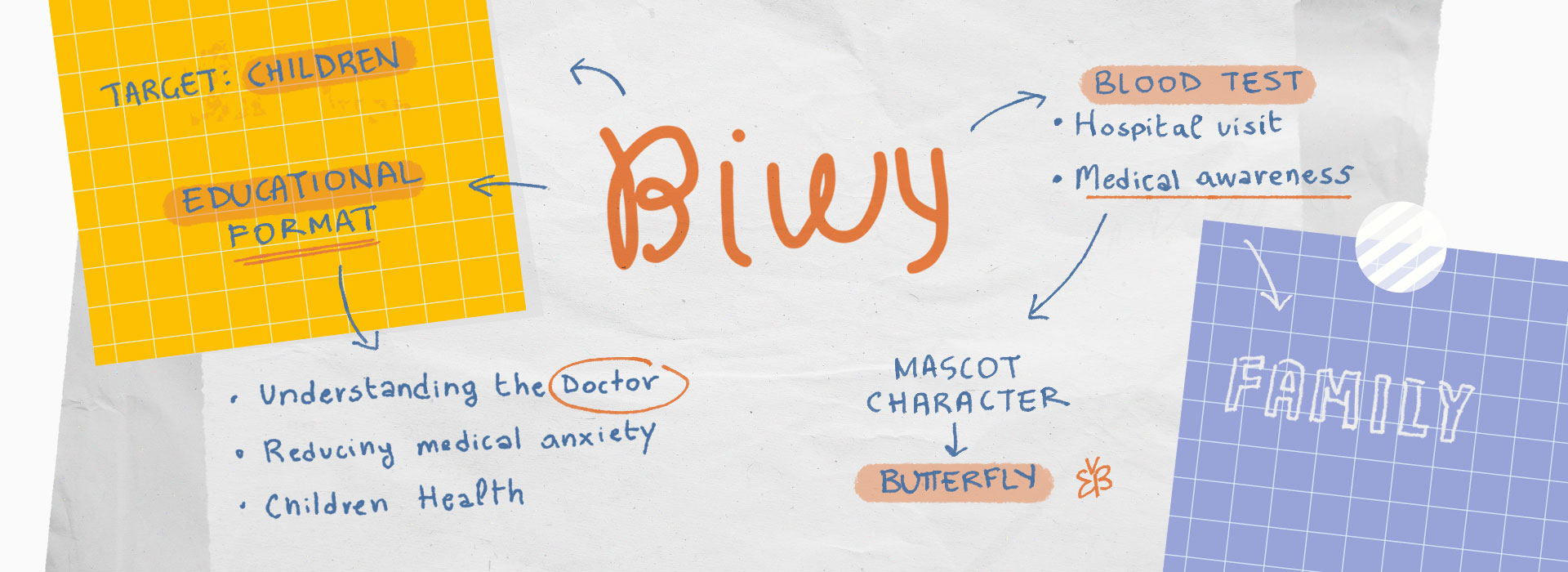
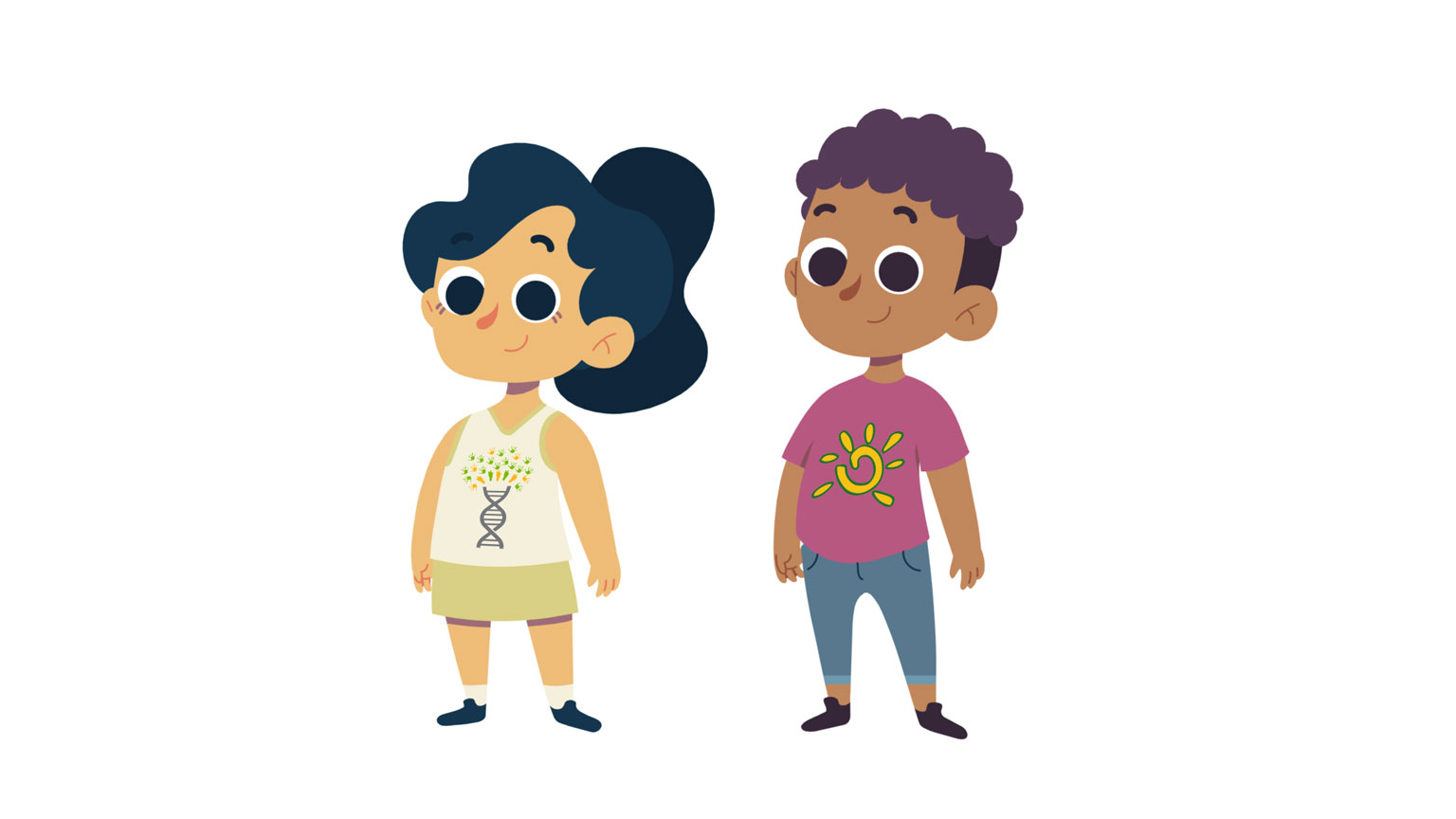
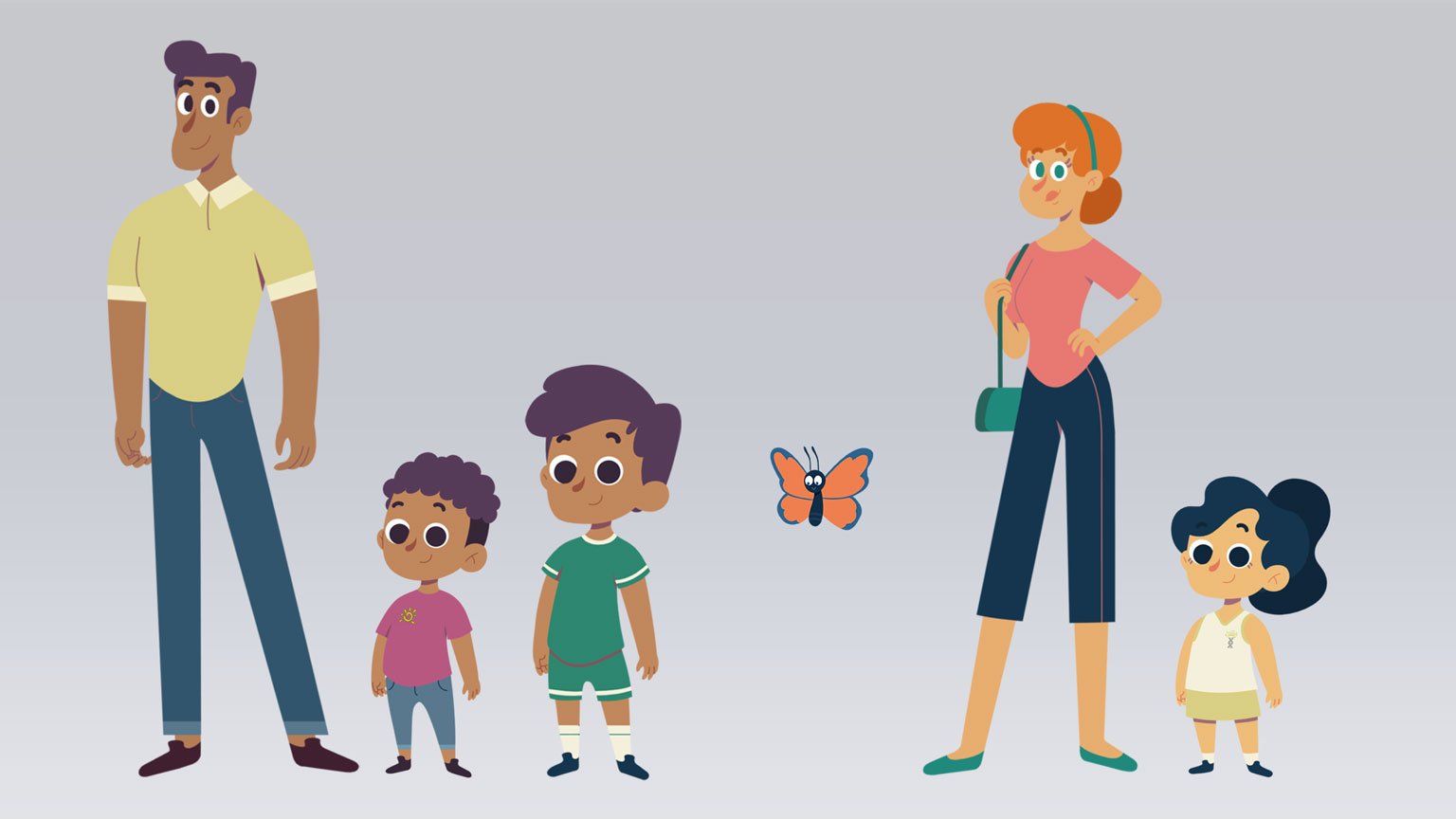
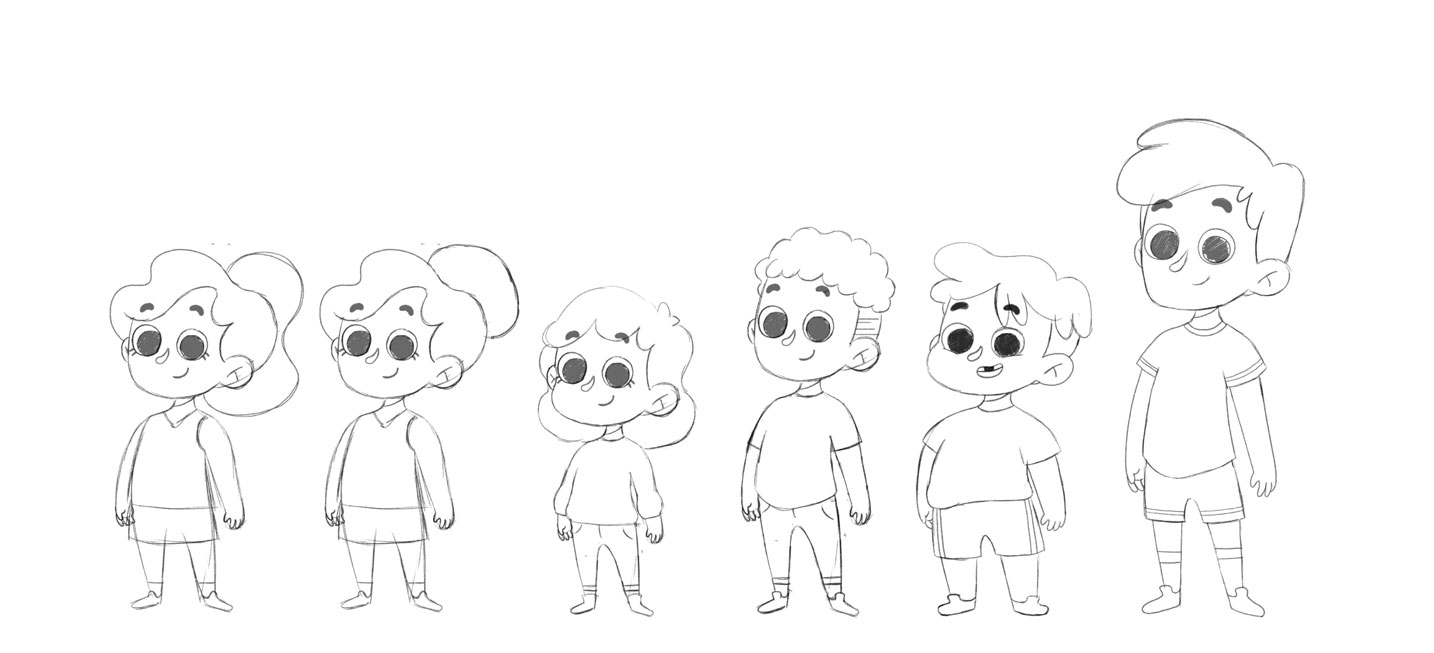
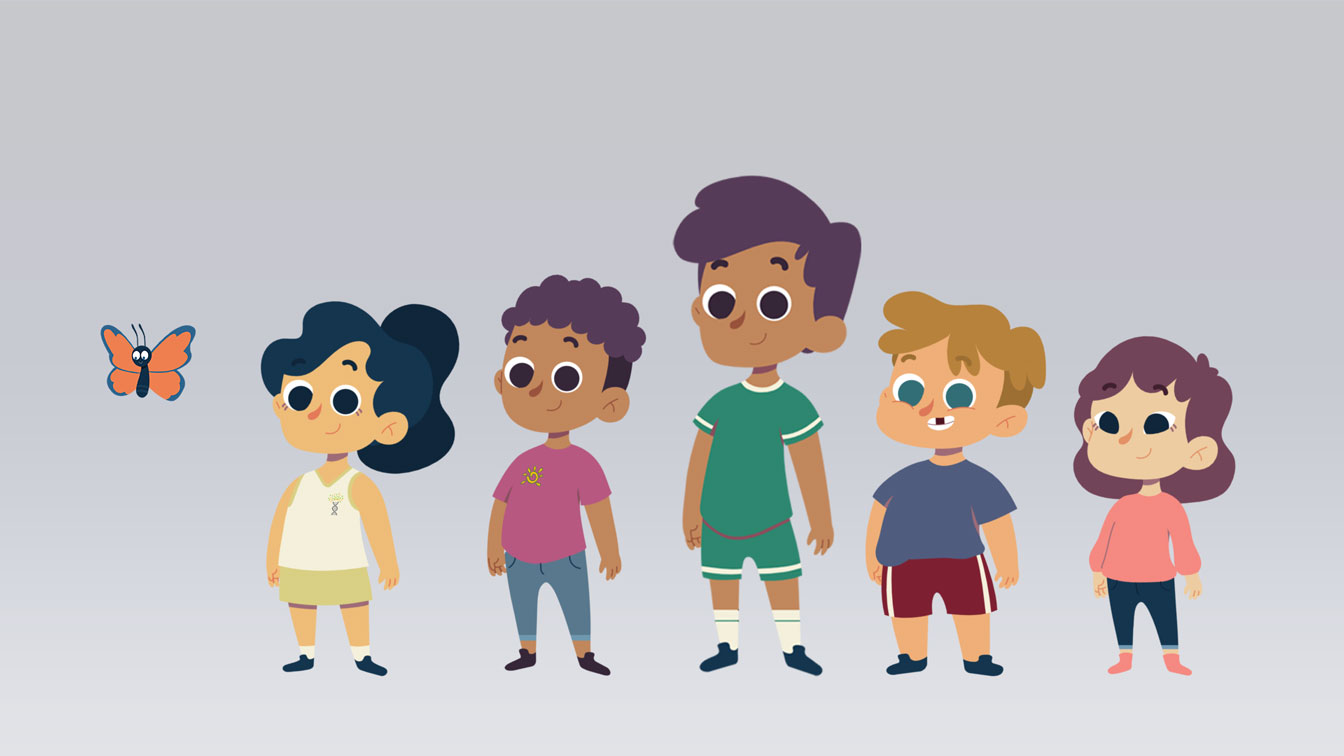
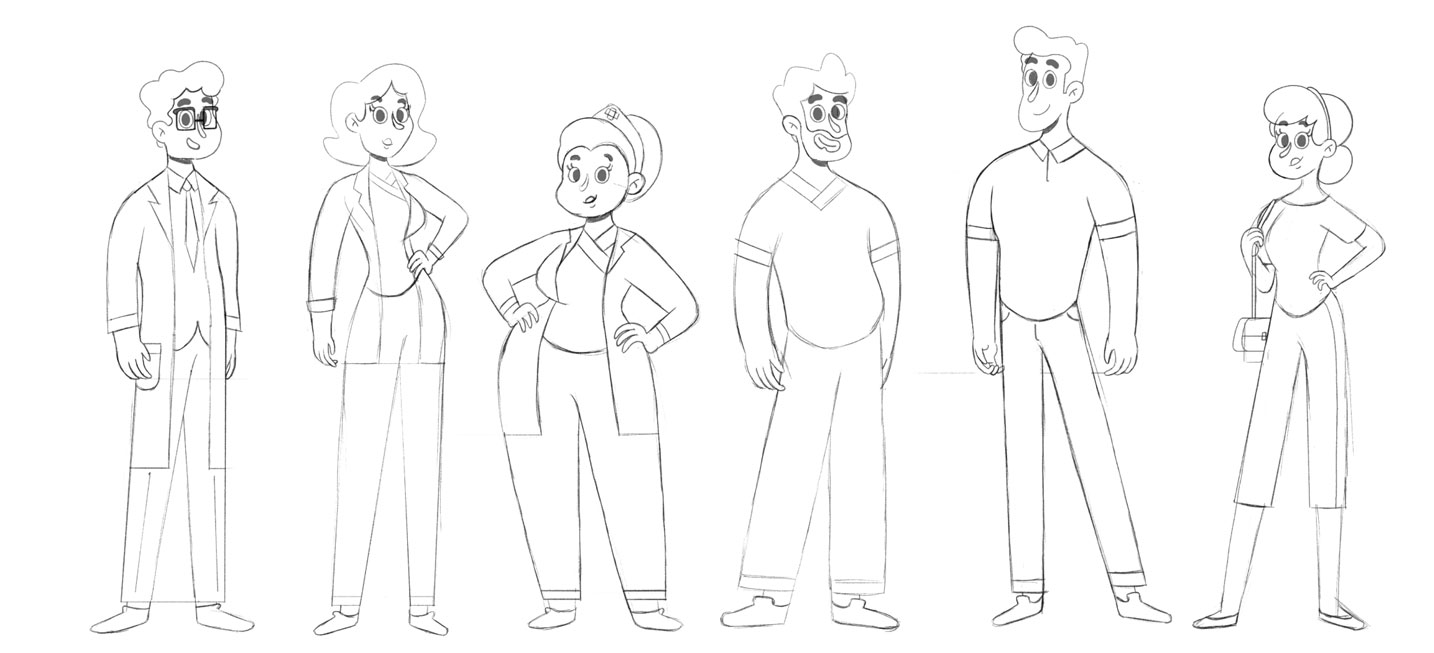
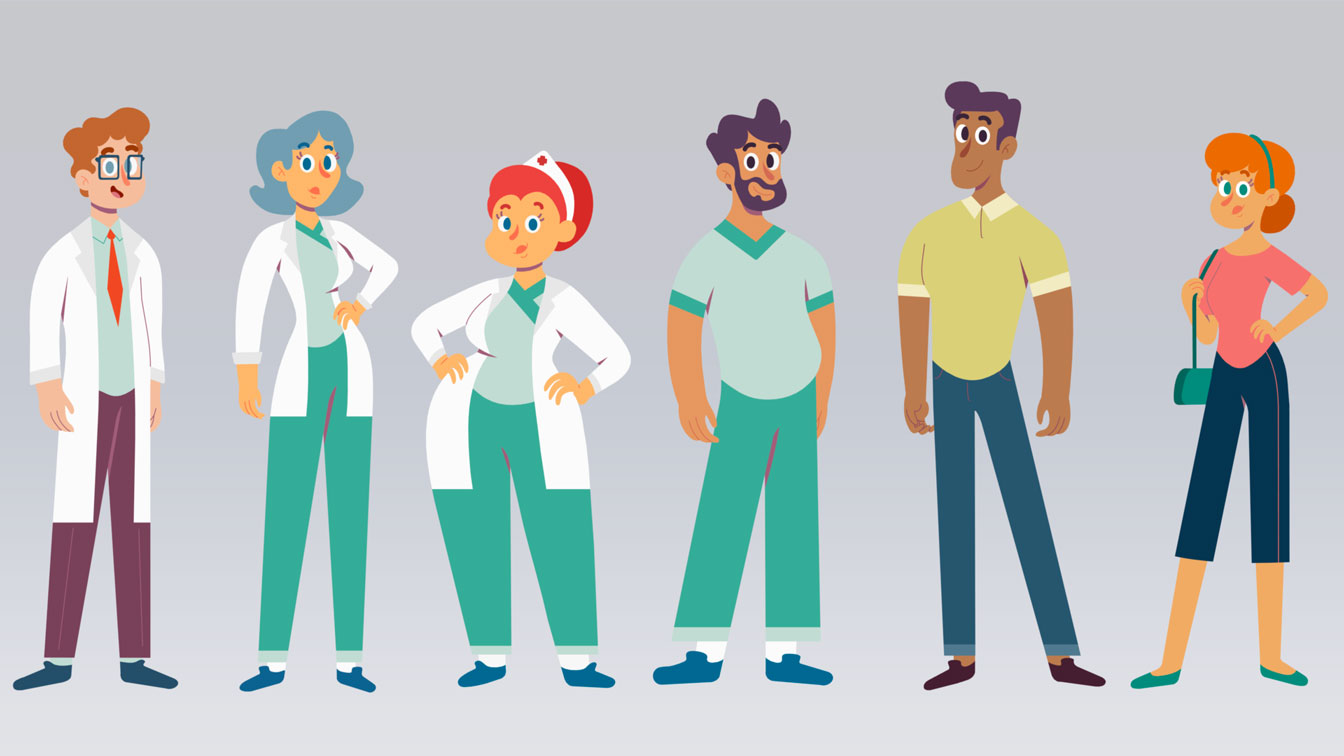
Biwy, un format in animazione che, attraverso le storie dei sui personaggi spiega ai bambini il mondo dei dottori nozioni di medicina.
Client:
AIBWS e Associazione Italiana Macrodattilia e PROS
Executive Creative Director:
Riccardo Galimberti
Executive Producer:
Pietro Polentes
Script:
Riccardo Galimberti
Art Director:
Rachele Santini
Visual Supervisor:
Rachele Santini
Storyboard:
Chiara Loiacono, Carmine Longobucco
Design:
Rachele Santini
Animations:
Chiara Loiacono, Fabrizio Paludetto, Walter Dessì, Sara Brienza, Dario Livietti, Marta Sofia Marzullo, Alessandro Rizzato, Carmine Longobucco
Compositing:
Fabrizio Paludetto, Matilde Tiraboschi
Background:
Pietro Polentes, Chiara Loiacono, Matilde Tiraboschi
Le associazioni ABWS e l’Associazione Italiana Macrodattilia e PROS APS volevano creare una serie di cartoni animati che spiegassero ai bambini delle loro associazioni come funzionano alcuni procedimenti medici e alcuni dei momenti più delicati di esami e visite.


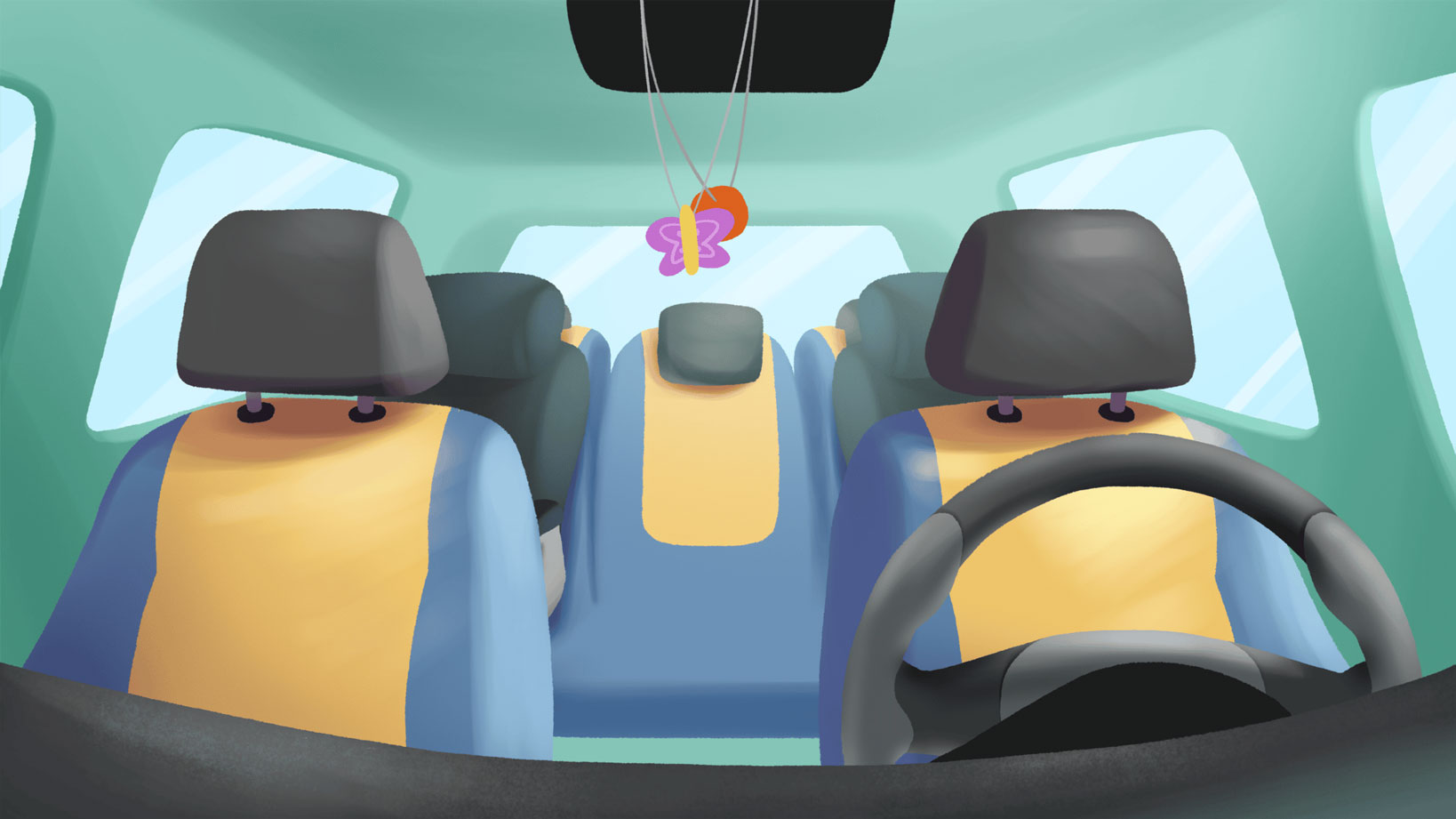
Per spiegare ai bambini le “cose mediche” abbiamo pensato a Biwy, farfalla monarca dalle doti magiche capace di trasportare i nostri eroi in mondi magici dove scoprire di volta in volta come si fa un prelievo o cosa vuol dire fare un ecografia.
I video dovevano essere chiari e immediati, quindi la struttura narrativa doveva essere semplice e diretta.
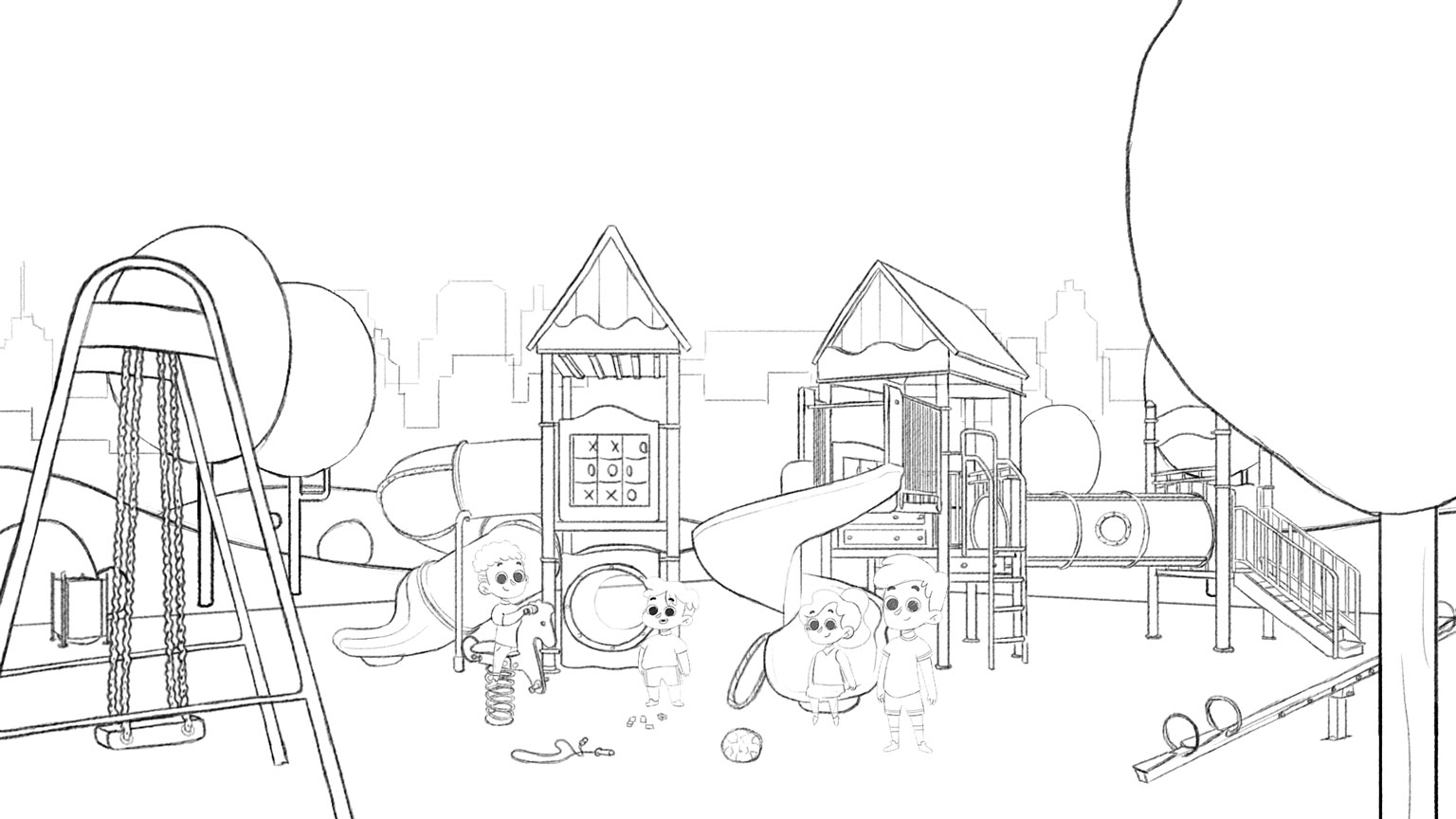
Il punto di partenza sono sempre le situazioni reali in cui i bambini si trovano nella loro quotidianità medica, un prelievo del sangue, uni visita una radiografia.
Nel bel mezzo di questi avvenimenti, che possono sembrare poco chiari e a volte tramatici per i piccoli pazienti, interviene la farfalla Biwy che entra in scena per spiegare in modo chiaro il tema della puntata.
The project found many different applications.
One of the most effective was in hospitals and medical centres, where the films were shown on tablets and monitors in waiting rooms. While waiting for their appointment or medical examination, children could watch the episodes, learn what to expect and discuss what they were seeing with their parents.
The films were also screened at various festivals and conventions dedicated to healthcare and children’s communication, as well as being distributed online to help the project reach as many children as possible.
The format was awarded first prize at the EIFA — European Independent Film Awards.